Skip to content

Diplomacy

How international relations work in practice: cultural sensitivity, strategy and conflict resolution, taught by diplomats.

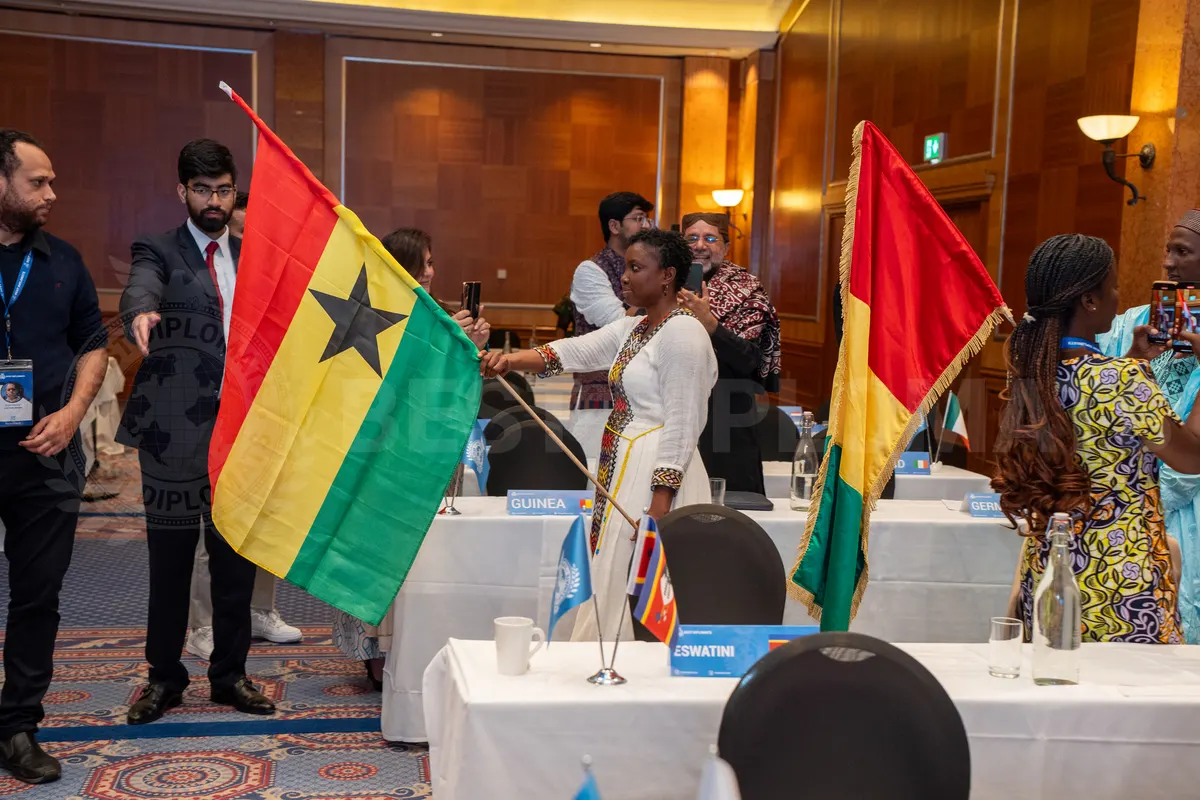
Delegates represent Ghana and Guinea in committee, London

The cornerstone of global cooperation

Diplomacy is the craft of communicating across differences and finding common ground. The diplomacy module gives you the knowledge, skills and strategies to engage effectively, on the global stage or in your own community.

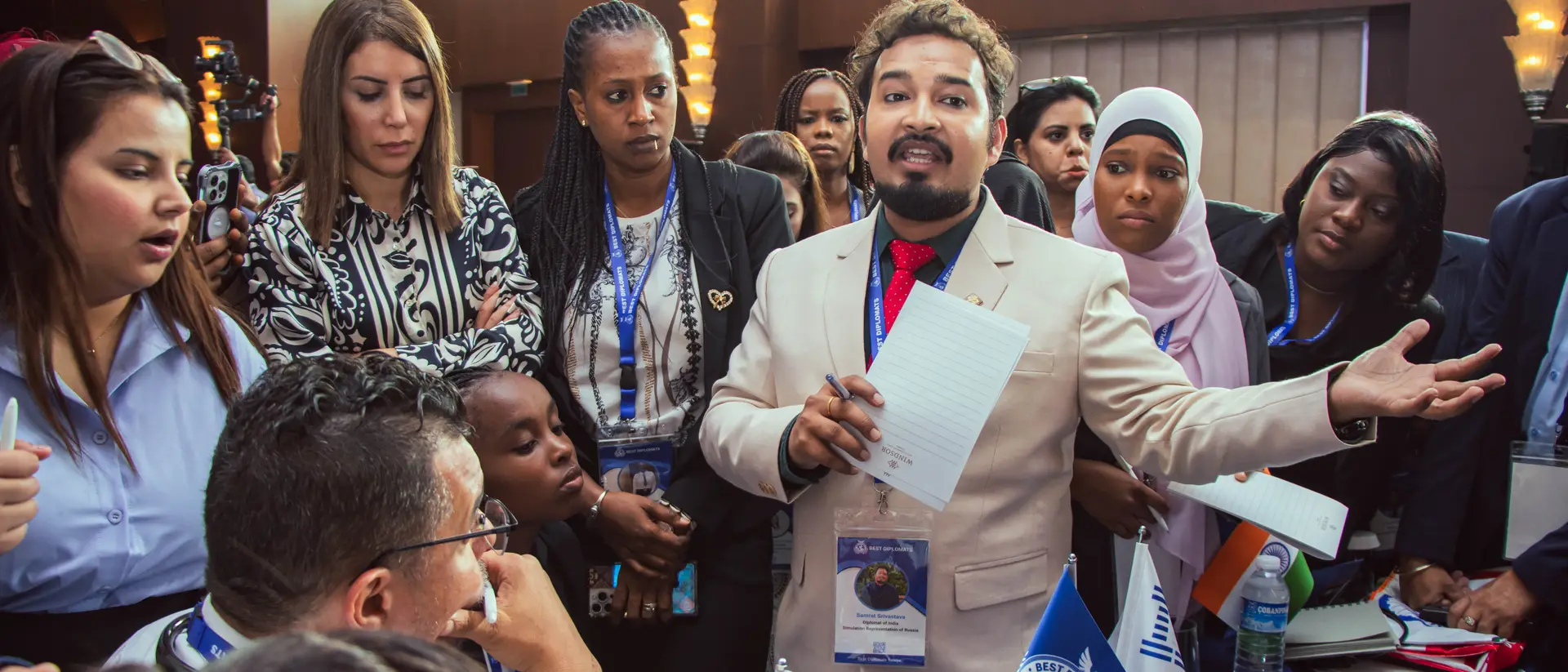
Serving and former ambassadors address every conference, and the committee sessions put their lessons to work: you represent a country, research its position and argue it in the United Nations format.

Why it matters

In an interconnected world the ability to engage diplomatically is more important than ever, in international relations, politics, business and civil society alike.

  • Professional relevance. Stand out in international relations, politics and global business.
  • Conflict prevention. The skills to prevent disputes and to resolve them peacefully.
  • Cultural understanding. Insight into different cultures that makes cooperation possible.

What you gain

In your career

  • Global opportunities. A path into international organisations and NGOs.
  • Network. Connections with professionals and practitioners in diplomacy.
  • Leadership. The standing to handle complex international questions.
In yourself

  • Communication. Convey ideas clearly to any audience.
  • Critical thinking. Assess international situations with a sharper analytical eye.
  • Empathy. A deeper appreciation of other perspectives.

Represent a nation

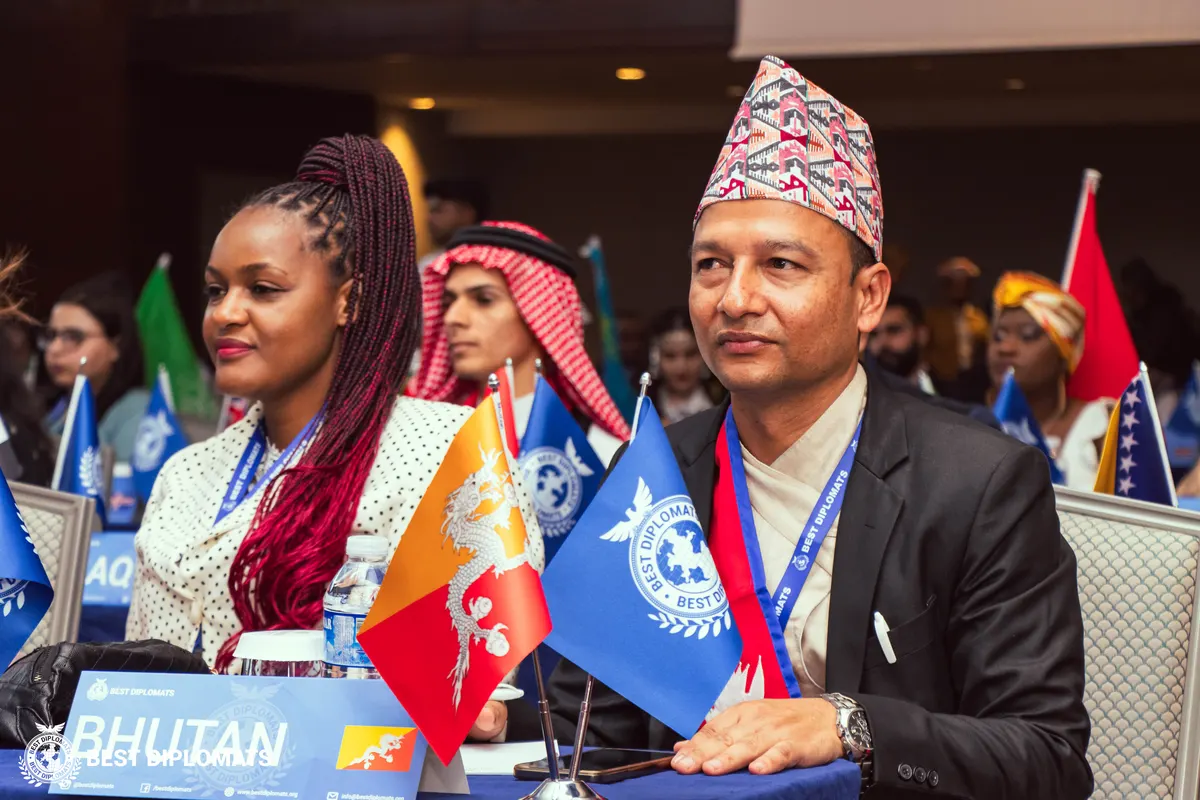
Research its position, argue it in committee and find common ground with delegates from more than 120 nationalities. At the New Jersey and Geneva conferences, the UN tour takes you inside the United Nations.
How it is taught at a conference

  1. Day one: how diplomacy works in practice, with ambassadors and UN officials in the grand symposium.
  2. Day two: committee sessions in the United Nations format, representing a country and its position on the conference theme.
  3. Day three: the flag and oath ceremonies, awards including the Outstanding Diplomacy Award, and the closing session.
  4. Throughout: protocol, resolution writing and the etiquette of a multilateral room.
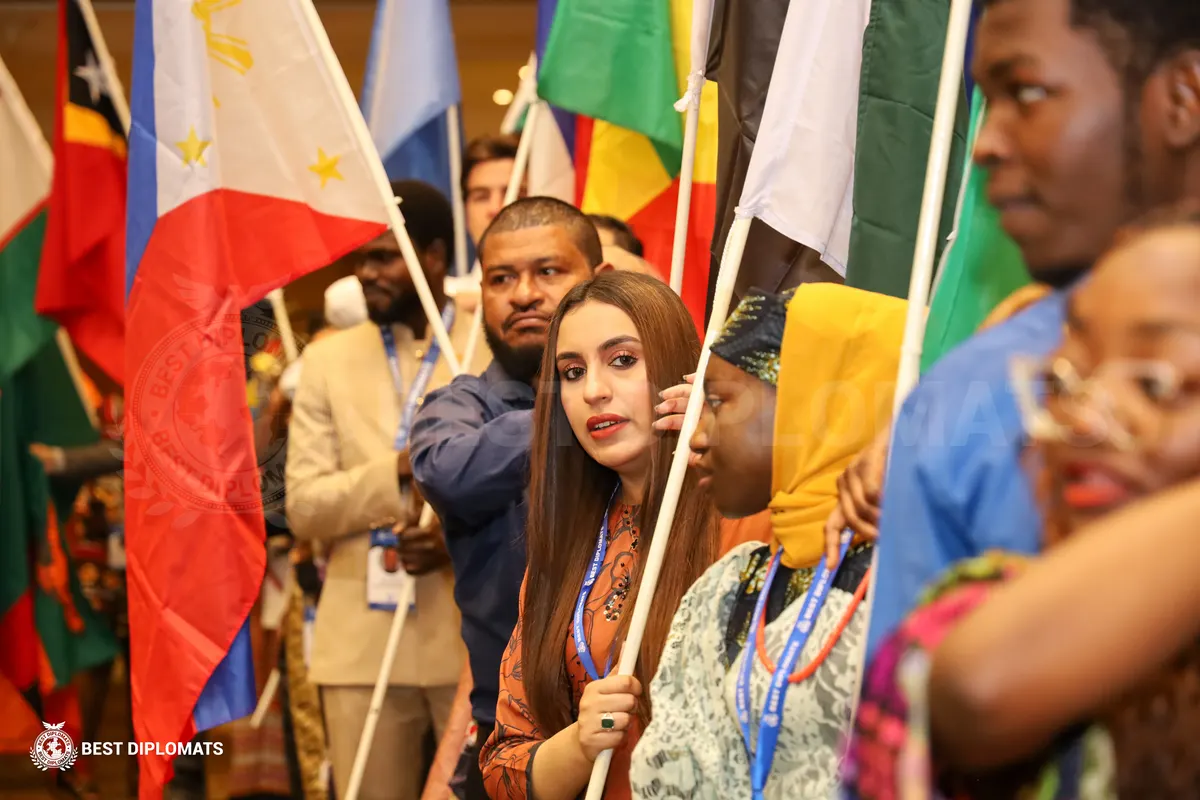
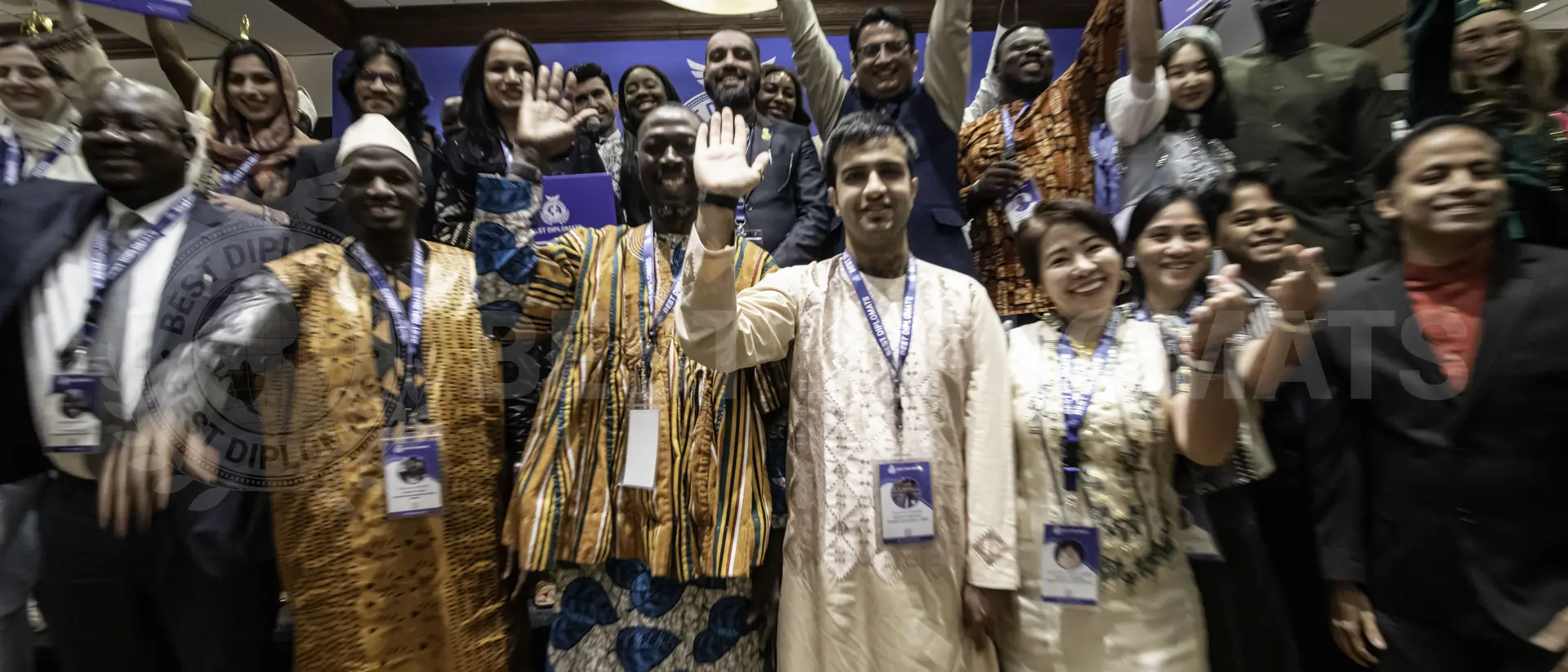
Delegates and their nations, Istanbul
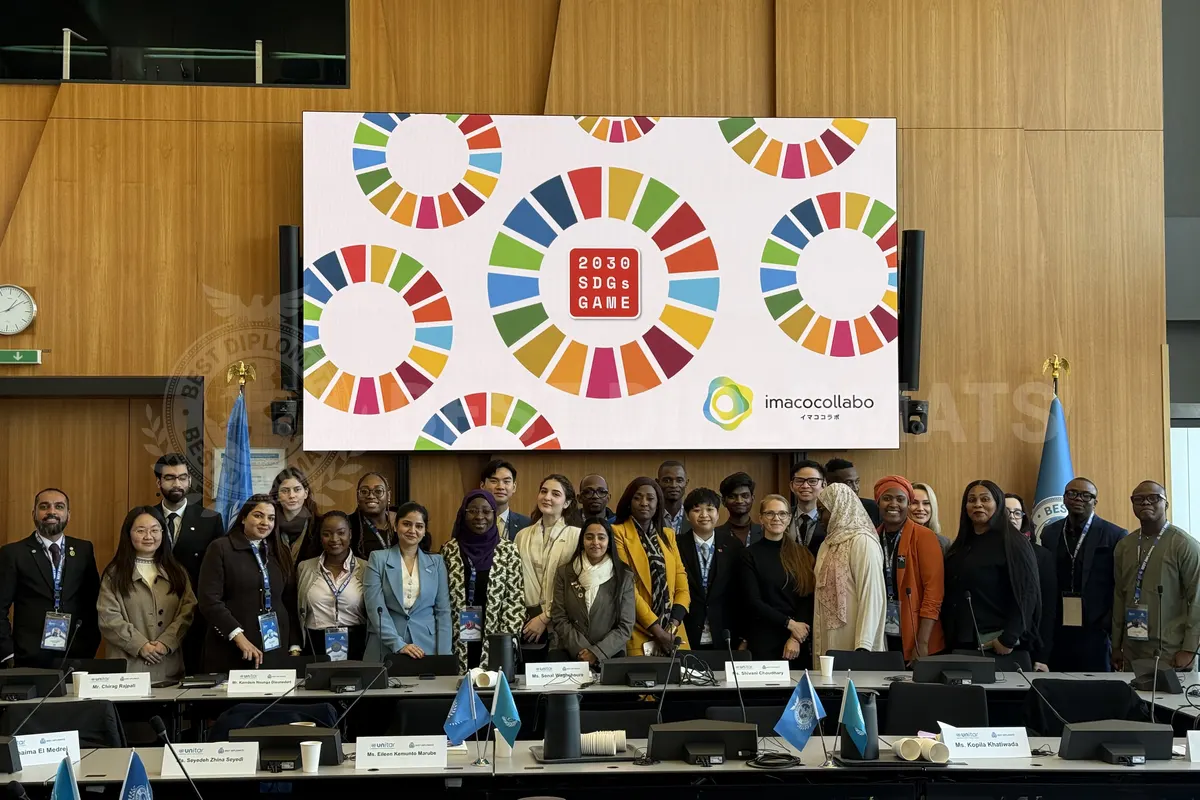
The UN tour, Geneva
The UN tour, Geneva
The flag ceremony, Kuala Lumpur

The other modules

Negotiation

Strategy and technique for outcomes both sides can live with, from a committee resolution to a contract.

About the negotiation module
Leadership

Decision-making, public speaking and influence, practised in committee and judged by the delegates you lead.

About the leadership module

Every conference includes all three modules

Three days and a check-out day: symposium, committee sessions in the United Nations format, ceremonies and a day in the city.

Register