Skip to content

Negotiation

Strategy and technique for outcomes both sides can live with, from a committee resolution to a contract.

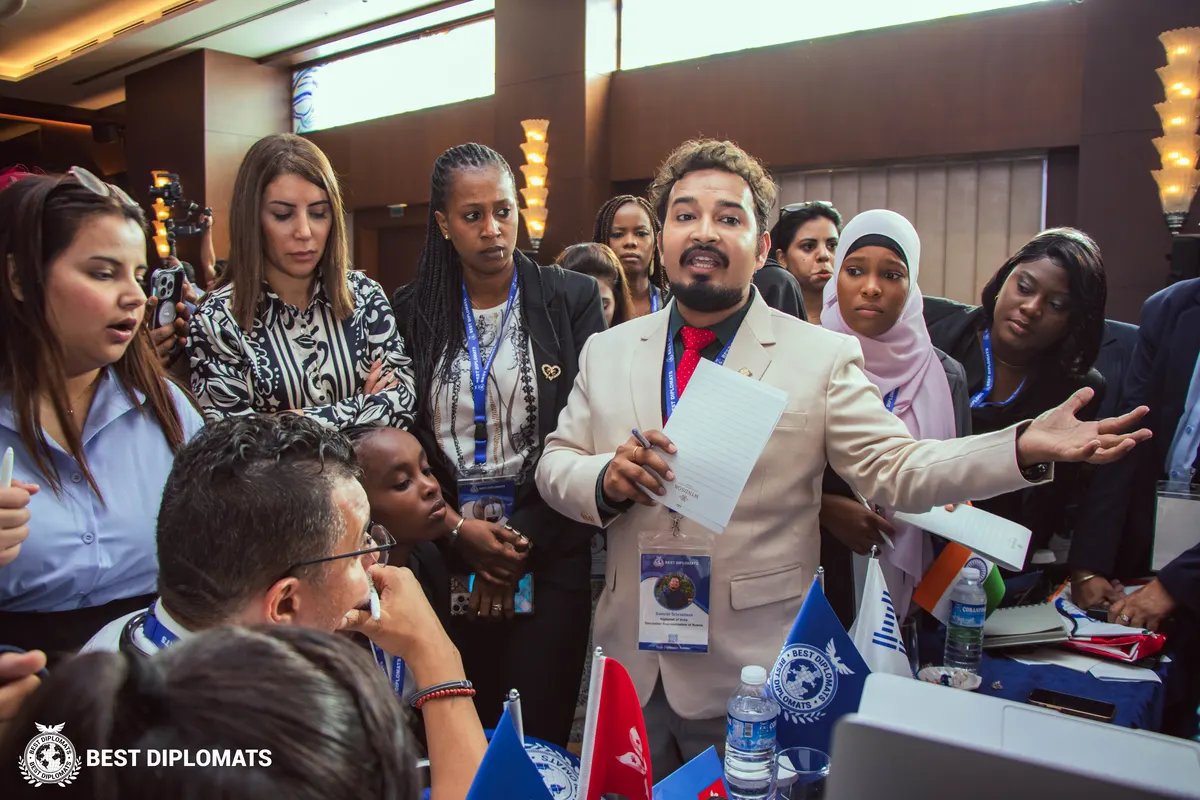
A delegate makes his case to the committee, Istanbul

More than a skill

Negotiation runs through every part of working life: closing a deal, agreeing a budget, settling a dispute, or persuading a room to adopt your text. The negotiation module gives you the strategies, the tools and the confidence to handle any of them.

The module is taught by practitioners and then practised for real: in committee you negotiate with delegates from more than 120 nationalities to build a bloc, draft a resolution and carry a vote.

Why it matters

Negotiation is no longer optional. Whether you are sealing a business deal, managing workplace dynamics or holding a position in a committee, the ability to reach agreement is what gets things done.

  • Professional advancement. Employers value people who can negotiate, and it shows in the opportunities and promotions they get.
  • Personal growth. Better interpersonal skills and more productive relationships.
  • Global relevance. As work crosses borders, cross-cultural negotiation becomes the skill that sets you apart.

What you gain

In your career

  • Better deals. Secure favourable terms in business agreements.
  • Leadership. Lead teams by understanding and aligning different interests.
  • Conflict resolution. Become the person others turn to when a dispute needs settling.
In your life

  • Stronger relationships. Communicate more effectively with family, friends and colleagues.
  • Decision-making. Make informed choices that take every stakeholder into account.
  • Confidence. Approach difficult conversations with assurance.

Agreement is built in the room

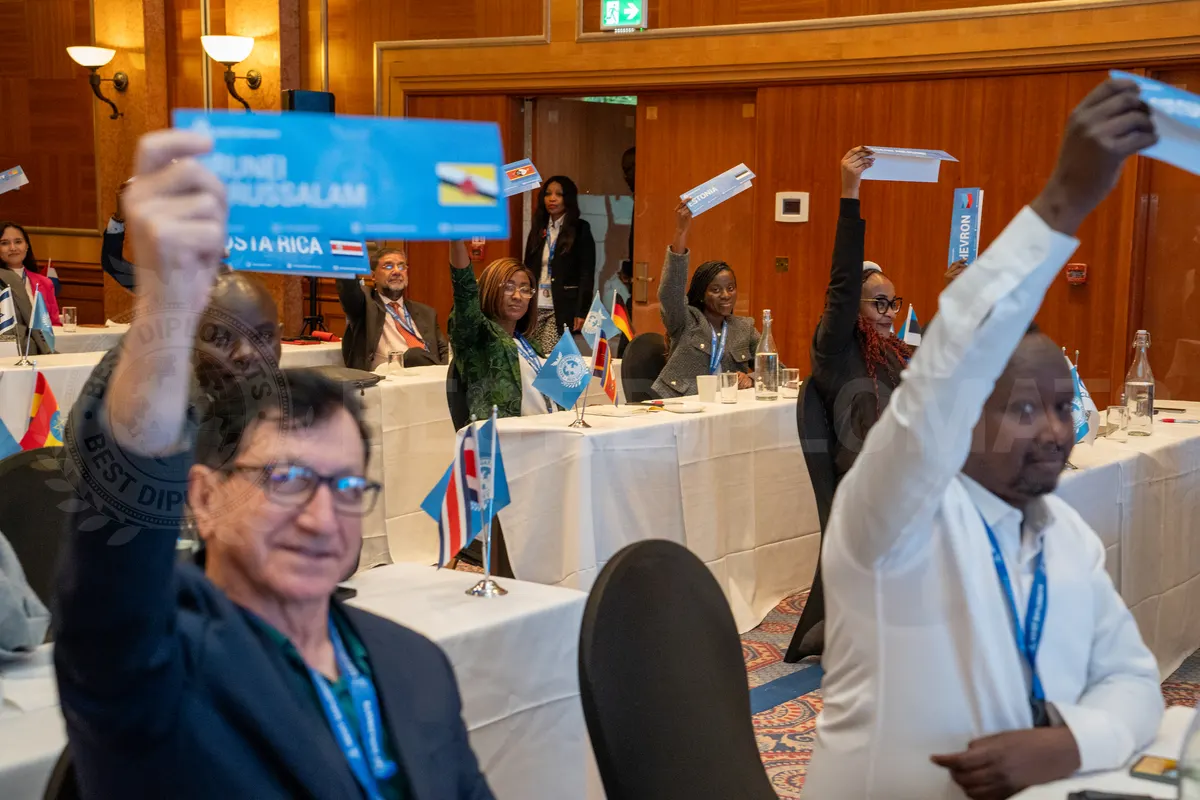
In committee you build a bloc, trade amendments and win the votes that carry your text.
How it is taught at a conference

  1. Day one: the principles of interest-based negotiation, from preparation and anchoring to concession strategy, in the grand symposium.
  2. Day two: a full day of committee sessions where you negotiate as a delegate, form blocs and draft resolutions under pressure.
  3. Day three: ceremonies and awards, including the Outstanding Negotiator Award judged on committee performance.
  4. Throughout: feedback from chairs and trainers on how you prepared, listened and moved the room.
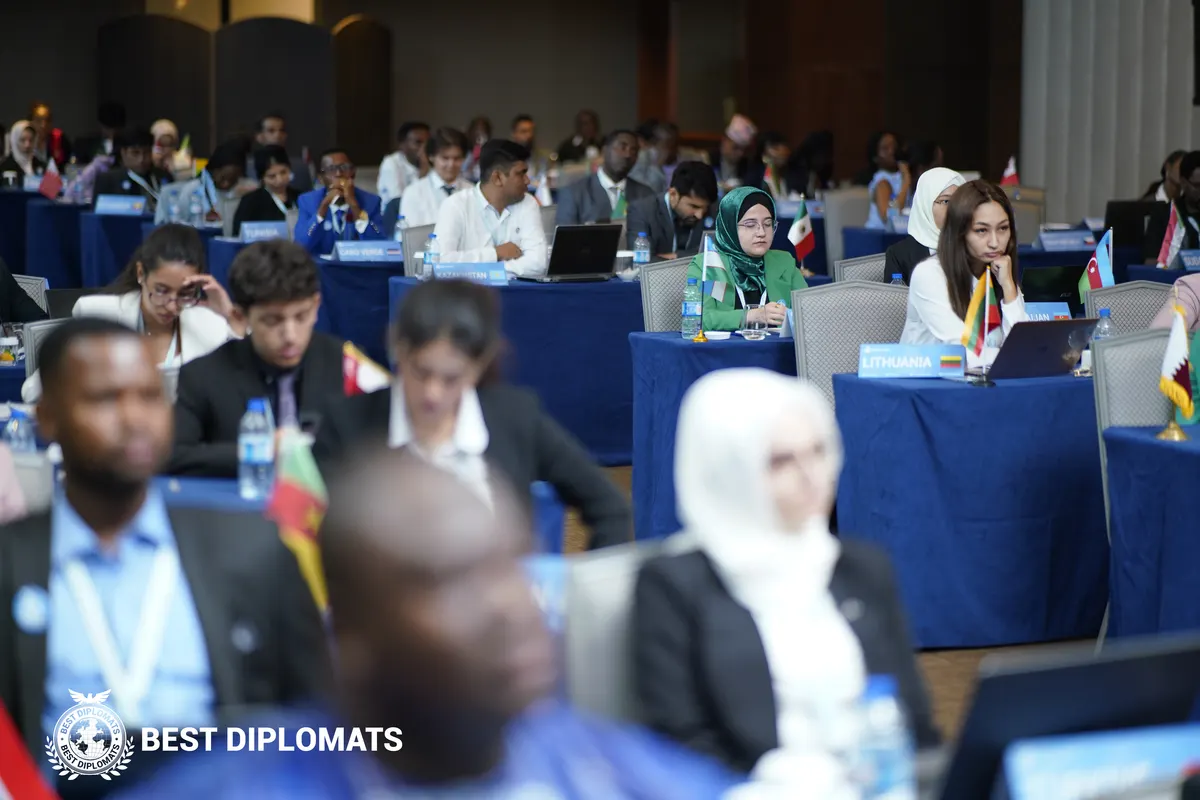
A vote in committee, London
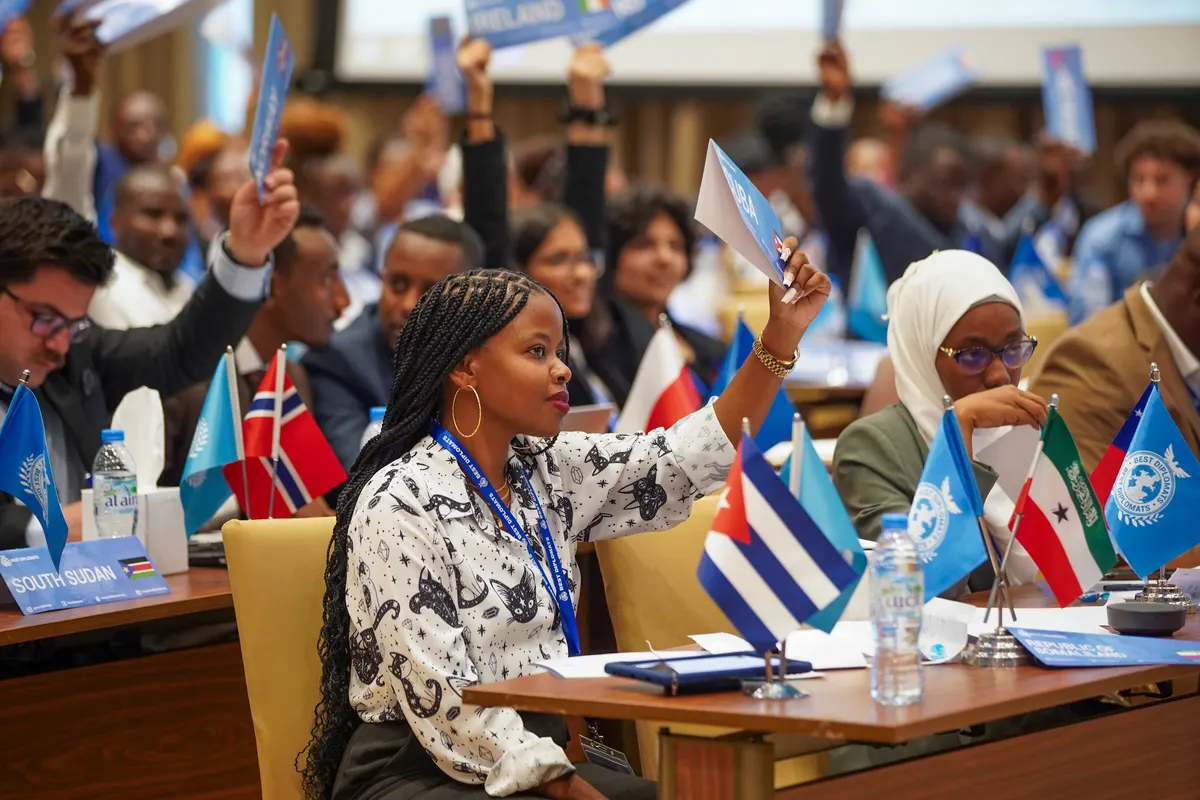
Placards up for a motion, Dubai
Drafting a resolution, Istanbul

The other modules

Diplomacy

How international relations work in practice: cultural sensitivity, strategy and conflict resolution, taught by diplomats.

About the diplomacy module
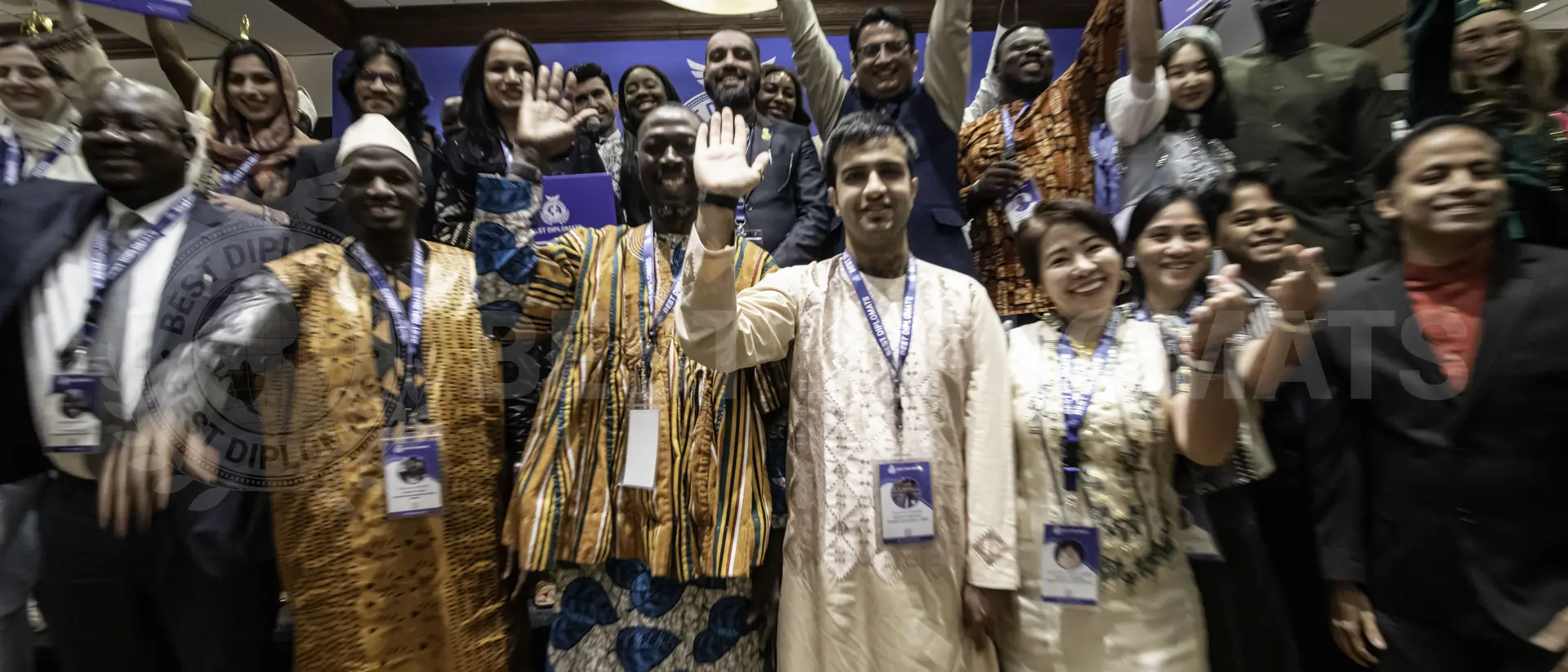
Leadership

Decision-making, public speaking and influence, practised in committee and judged by the delegates you lead.

About the leadership module

Every conference includes all three modules

Three days and a check-out day: symposium, committee sessions in the United Nations format, ceremonies and a day in the city.

Register